
Why Platinum-Cured Silicone Fails to Cure: 8 Common Causes and How to Prevent Them
Industry Insights | Silicone Manufacturing & Quality Control
Platinum-cured silicone is increasingly used in food-contact products, kitchenware, baby products, and other applications where material safety and consistent quality are essential.
Compared with conventional peroxide-cured silicone, platinum-cured systems offer several advantages, including low odor, reduced curing by-products, and the potential to eliminate secondary curing in certain applications.
However, platinum curing is highly sensitive to contamination, material compatibility, and processing conditions. Even minor changes can lead to incomplete curing, sticky surfaces, inconsistent product quality, and costly production delays.
Here are eight common causes manufacturers should watch for.
1. Catalyst Contamination
Platinum catalysts can be inhibited by certain sulfur-, nitrogen-, phosphorus-, and tin-containing compounds.
Contamination may come from rubber processing equipment, mold-release agents, lubricants, cleaning chemicals, or incompatible materials.
Solution: Maintain dedicated equipment, tools, and storage areas for platinum-cured silicone. Implement strict contamination-control procedures.

2. Incorrect Catalyst Ratio or Poor Mixing
Inaccurate dosing or insufficient mixing can prevent uniform crosslinking, resulting in partially cured products and inconsistent hardness.
Solution: Follow supplier-recommended mixing ratios, use accurate weighing equipment, and ensure uniform dispersion before molding.
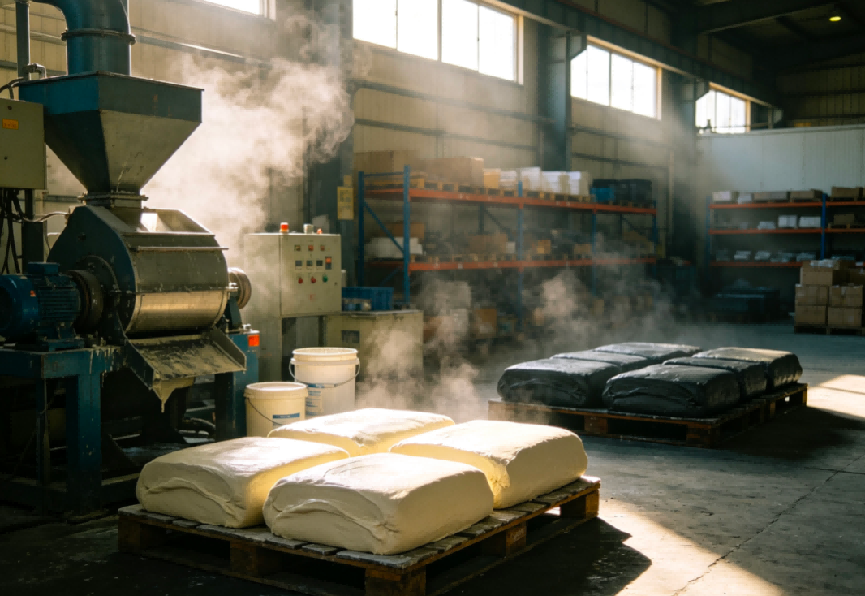
3. Improper Storage of Mixed Silicone
Once curing components are combined, silicone compounds have a limited processing life. Excessive storage temperatures or prolonged storage may affect curing behavior and processability.
Solution: Control storage temperature, clearly label mixing dates, and follow the manufacturer's recommended shelf life and processing window.
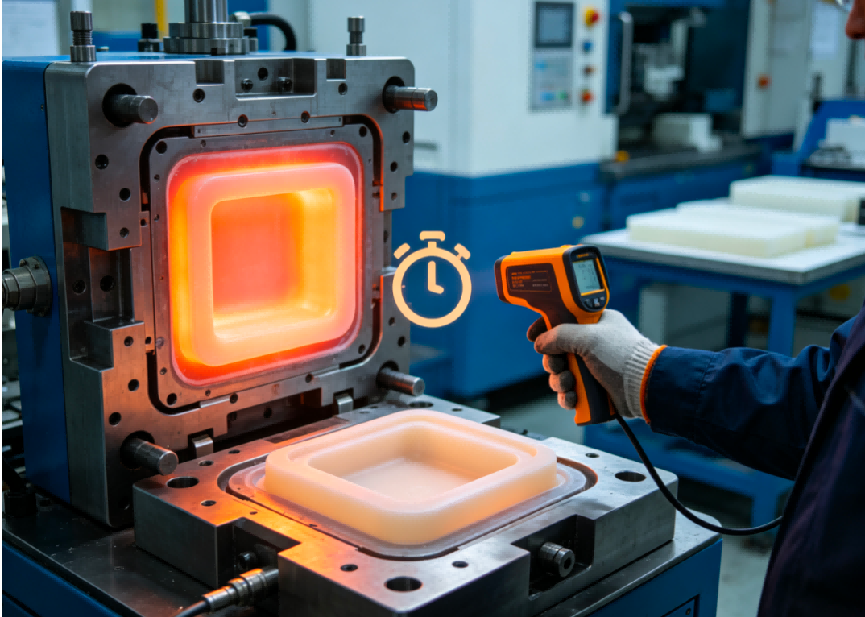
4. Insufficient Mold Temperature or Curing Time
The temperature displayed on molding equipment may differ from the actual mold cavity temperature.
Thick silicone products also require additional time for heat to reach the center, potentially causing incomplete internal curing.
Solution: Verify actual mold temperatures and optimize curing time according to product thickness, geometry, and material specifications.
5. Incompatible Pigments and Additives
Certain pigments, color masterbatches, processing aids, and release agents may contain substances that interfere with platinum curing.
A formulation that cures perfectly without pigment may fail after color additives are introduced.
Solution: Use additives specifically approved for platinum-cured silicone and conduct compatibility tests before mass production.

6. High-Hardness and Highly Filled Compounds
High filler loading can change compound viscosity, heat transfer, and curing behavior. These effects depend on the specific formulation and filler characteristics.
Solution: Adjust molding parameters based on material properties and validate curing performance through controlled production trials.
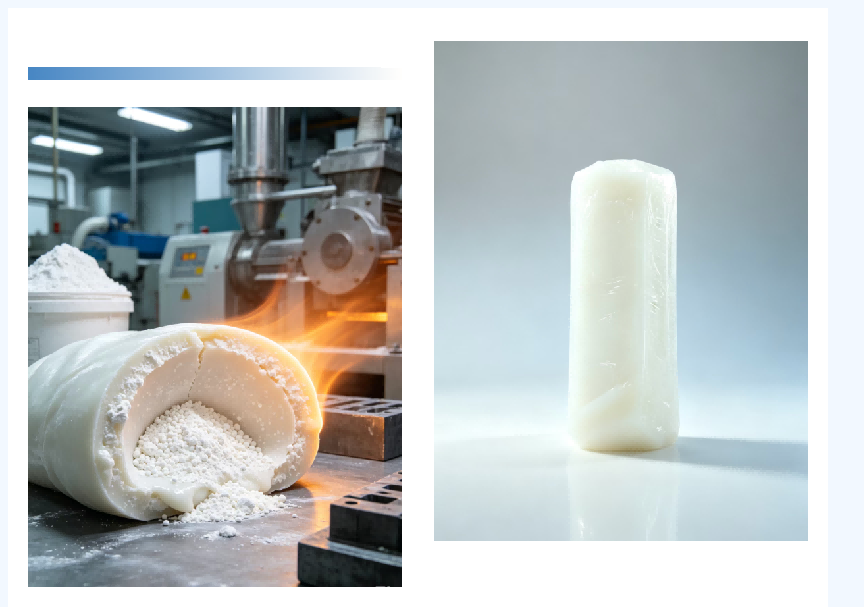
7. Excessive Reuse of Uncured Scrap
Reprocessed uncured silicone may have a different processing history, contamination risk, or remaining working life.
Adding excessive amounts of unverified scrap can lead to inconsistent curing performance.
Solution: Establish controlled reuse procedures and verify material compatibility and curing behavior before production.
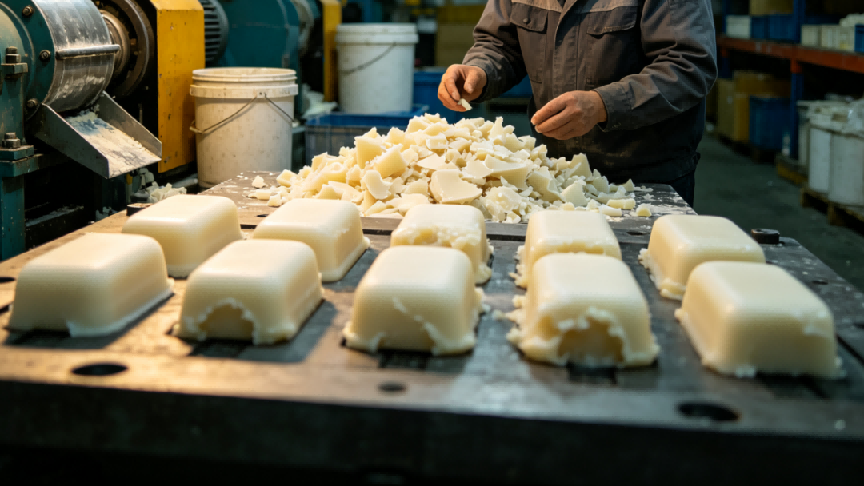
8. Excessive Waiting Time Before Mold Closure
Leaving uncured silicone inside a hot mold for too long may cause premature localized curing, reducing material flow and creating uneven curing conditions.
Solution: Standardize loading and mold-closing procedures to minimize unnecessary exposure to heat.
A Practical Approach to Troubleshooting
When silicone products show sticky surfaces or incomplete curing, manufacturers should investigate four key areas:
Contamination: Check tools, equipment, pigments, and processing chemicals.
Materials: Verify formulation compatibility, storage conditions, and scrap usage.
Processing: Confirm mold temperature, curing time, and molding procedures.
Mixing: Review catalyst ratios and mixing consistency.
A systematic approach helps identify root causes faster, reduce material waste, and prevent recurring quality issues.
Final Thoughts
As global demand for high-quality food-contact silicone products continues, manufacturers must place greater emphasis on material selection, process consistency, and quality control.
Platinum-cured silicone offers significant manufacturing advantages, but reliable performance depends on more than choosing the right material.
Stable raw materials, controlled production environments, and standardized manufacturing processes are the foundation of consistent silicone product quality.
For manufacturers serving European and North American markets, these practices are essential to reducing defects, improving production efficiency, and meeting applicable food-contact safety requirements.
Note: Secondary curing requirements and regulatory compliance depend on the specific formulation, manufacturing process, and finished-product test results.
Copyright © 2016-2026 sunnok All Rights Reserved. | 粤公网安备44070302441029号 粤ICP备2026175750号